
Why being booked again has less to do with visibility and more to do with trust
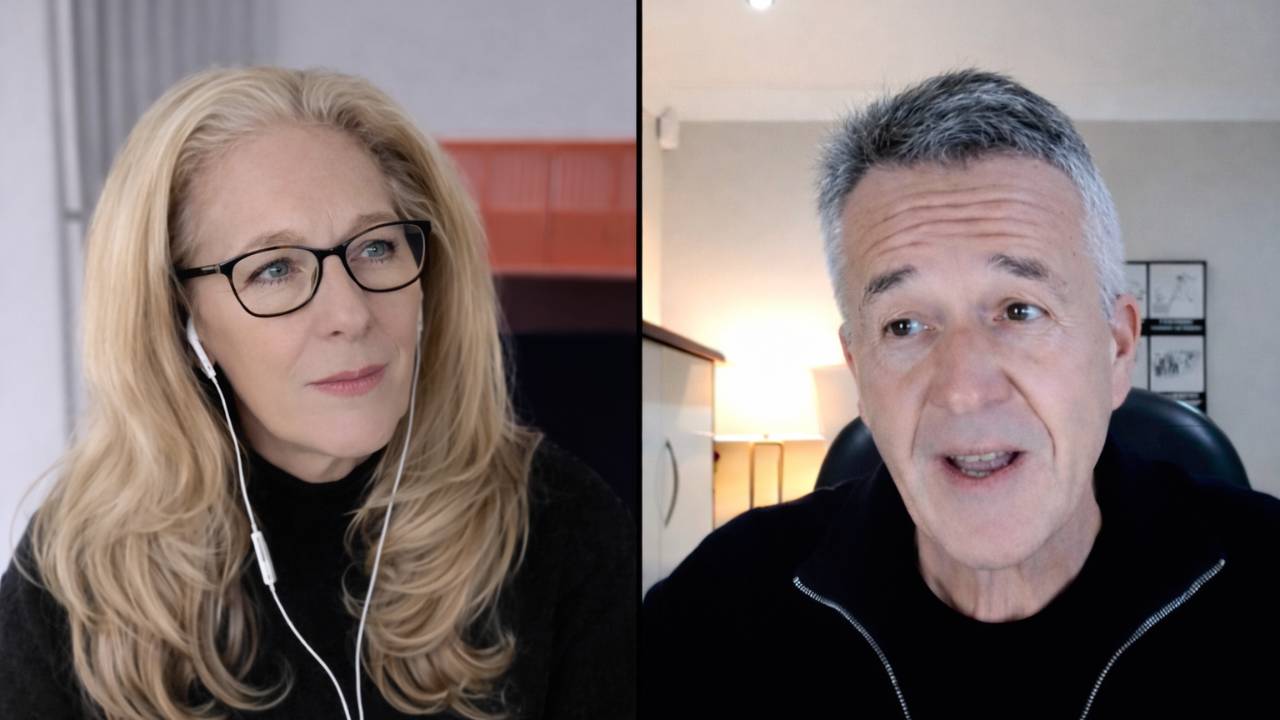
Speakers often talk to me about consistency, and most of the time they’re referring to content. Posting regularly, staying visible, reinforcing the same ideas so people remember what they stand for. That work matters. It helps people recognise you, understand your thinking, and feel familiar with your voice.
But it isn’t the only thing bookers are looking at, and it certainly isn’t the only thing they’re judging.
From the booker’s side of the desk, consistency also shows up in behaviour. It’s how predictable you are to deal with, how you operate once a conversation has started, and how confident they feel that you’ll deliver without drama once the decision has been made. Content may open the door, but behaviour is often what keeps it open, or closes it very quickly behind you.
This was very clear in my recent podcast with Paul McGee, and his experience illustrates two things that many speakers underestimate. The first is that long-term demand is built through repeatable behaviour, not constant reinvention.
Paul has been booked steadily for years. Not because he’s chasing every new idea or refreshing his positioning every twelve months, but because people know exactly what it feels like to work with him. Early in his career, he made a conscious decision that once someone trusted him with a booking, he would remove as much uncertainty from the process as possible.
That showed up in practical ways. He responded promptly, he prepared properly, and he brought the same level of professionalism whether the event was a large conference or a smaller internal session. Clients didn’t have to manage him, chase him, or worry about whether he’d turn up as expected. Nothing flashy, just dependable behaviour delivered consistently over time.
The second insight is more subtle, and arguably more important. Trust doesn’t come from being impressive, it comes from being safe. Paul talked about how much of his work has come from referrals and repeat relationships, particularly through bureaus and organisers who knew they could put him forward with confidence. When someone recommends a speaker, they’re not just recommending content, they’re putting their own reputation on the line. They’re saying, “This person will make me look good.”
That kind of trust is built through responsiveness, clarity, follow-through, and an absence of friction (and an absence of ego). It’s built when the experience of working with you matches the expectation created by your content.
If you want to take something practical from this, try a different sense check. Ask yourself not just whether people recognise your name or your ideas, but whether the experience of booking and working with you would feel predictable if someone came back to you tomorrow. Not predictable in a dull way, but predictable in a professional one.
That combination, being known and being trusted, is what keeps speakers booked over time. It’s also why some speakers build momentum year after year, while others find themselves constantly having to reintroduce themselves to the market.
View Previous Newsletters
