
Why Webinars Might Be the Most Underused Tool in Speaking
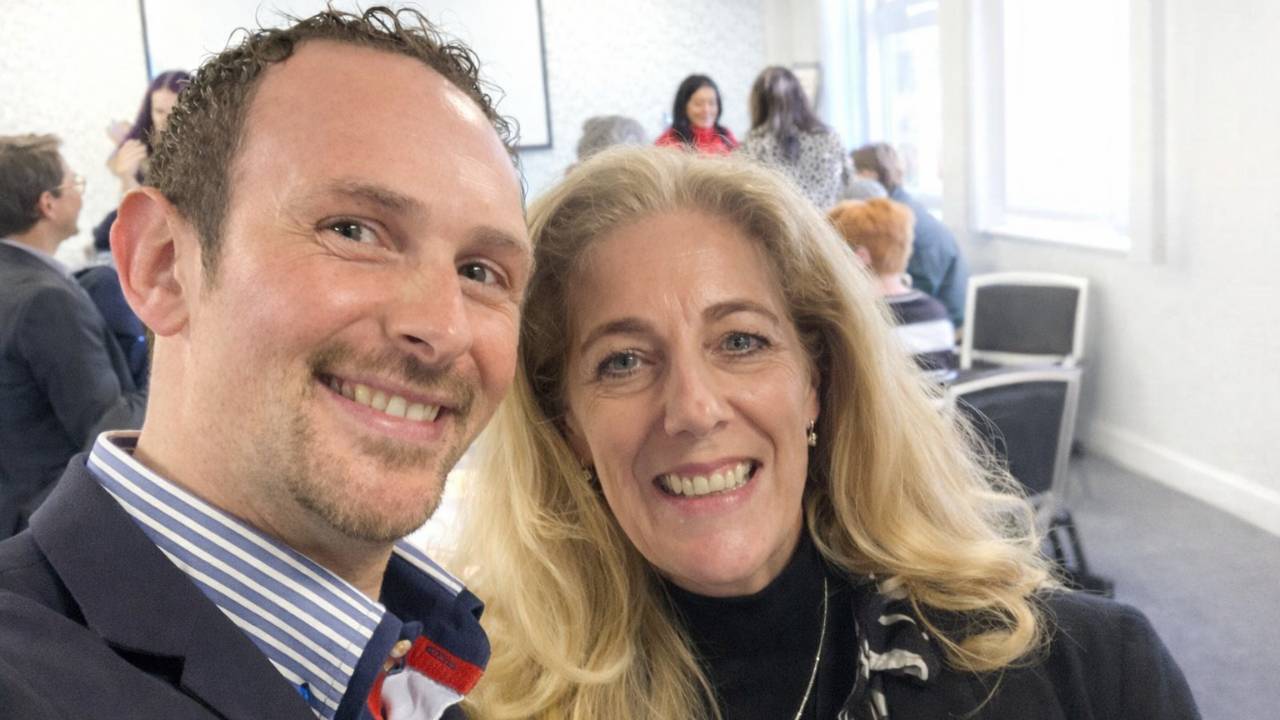
I’ll be honest, I never thought I’d write a newsletter about webinars. Webinars don’t excite me. They don’t even mildly amuse me. But then I spent 48 minutes talking to Simone Vincenzi, and suddenly I found myself thinking... maybe I’ve been missing a trick.
If you don’t know Simone, he’s the co-founder of GTeX, co-founder of the Speaker Awards, and has more than 1,000 live presentations and webinars under his belt. He’s also the person who somehow managed to get me genuinely interested in the mechanics of a webinar. A first.
So let me share some of the highlights of our chat.
From Restaurants to Running Events Every Week
Simone didn’t start on big stages, he started in a restaurant, turning table-service into a performance. Eventually he became a youth speaker, working in schools. Not the easiest audience, children, not unlike yours truly, don’t pretend to be polite. If you're boring, they will tell you with their faces. Or their feet.
When he couldn’t get speaking gigs, he built his own. He created GTeX and ran events every week for years, at one point 200 events a year. If no one gives you a stage, build one. It’s not glamorous, but it’s effective.
Why Webinars Became His Superpower
When COVID hit, events evaporated, Simone had two options choose the national sport of Italy and complain or adapt. He chose webinars, not because he loved them, but because he needed something that would let him keep speaking.
It took him 25 webinars before he made any money. That number alone should tell you something: webinars aren’t just a “quick fix”. And the biggest mistake speakers make according to Simone? Treating a webinar like a keynote - they are not alike.
Here’s what he told me are the differences:
- Attention spans are shorter online
People are checking emails, WhatsApp, making tea, stroking cats, doom-scrolling… and occasionally listening to you. If your pace is slow, they’re gone.
- You need far more slide movement
On stage, fewer slides are better. Online, slide changes keep people’s brains awake. Simone uses up to 200 slides for a 60-minute webinar. Some are on screen for one second. It’s basically film-making.
- Webinars are the closest thing to a scaleable speaking gig
You can reach hundreds of people without leaving your office. And if you can run a compelling webinar, you’ve essentially built a showcase that works 24/7.
Simone has booked speaking engagements worth six figures because someone saw him on a webinar. In fact, he tells event organisers: “Why don’t you see me in action? Come to my next webinar.” Low-risk for them, high-impact for him.
One attendee even recommended him to a conference in Madeira simply because they liked his webinar. He didn’t even know they were watching.
The Big Lesson: Prepare for a Webinar Like a Real Speech
Not as an afterthought. Not as “content marketing”.
If you want it to convert, whether into clients or speaking gigs, put the same preparation into it as you would a keynote.
Simone suggests:
- Create a test group to practise your webinar on. (preferably not the dog, the cat and the goldfish)
- Treat it like a performance: slides, audience engagement, delivery.
- Accept that the first ones may be clunky.
- Build the skill.
- Keep improving.
If you’re already comfortable on stage, this is just another format to master.
Which Platform Should You Use?
For community: Zoom.
For selling and delivering a more controlled experience: WebinarGeek, which Simone recommends as the most reliable platform he’s found after testing dozens. The analytics alone make it worth it if webinars become part of your model.
And if you’ve ever delivered a webinar to 200 people, made a brilliant point… and been greeted by silence, you’ll understand why it helps to know whether anyone is actually still there.
Can Any Speaker Use Webinars?
Short answer: yes.
Longer answer: yes, but the format must match the audience.
Simone shared examples:
- CEOs want insight, exclusivity, strategic clarity.
- Middle managers want frameworks and case studies.
- Individual contributors want hands-on “how-to”.
- Lead generation webinars look different from sales webinars.
Not all webinars are created equal. Which is why the “one template fits all” approach fails.
What Should You Do if You Want to Add Webinars to Your Business?
Here’s Simone’s advice, boiled down:
- Start small and practise
Get used to looking at a camera
while reading the chat
while moving slides
while staying engaging.
It’s a skill that only comes with repetition.
- Build one brilliant webinar
Not ten topics.
One signature webinar you can run again and again.
- Use webinars as a strategic tool
To showcase your work.
To attract speaking opportunities.
To give prospects a taste of your style.
To stay visible at scale.
The Bigger Picture for You as a Speaker
What I loved most about this conversation is how webinars became Simone’s engine for both revenue and bookings. He treats them as a long-term asset, not a quick tactic.
Whether you love webinars or not, the takeaway is simple - Speakers who proactively create platforms for themselves get booked more than speakers waiting for someone else to give them a stage.
And in a world where budgets are getting tighter, audiences are hybrid, and event organisers want proof before they book, you have an opportunity to stand out by being easy to see.
If you want to hear the full conversation (and enjoy a fair amount of Italian humour), you’ll find the episode on the Speaking Business Podcast.
Let me know if you decide to test a webinar. I might even come along and watch.
Maria
View Previous Newsletters
