
Stop playing someone else’s game
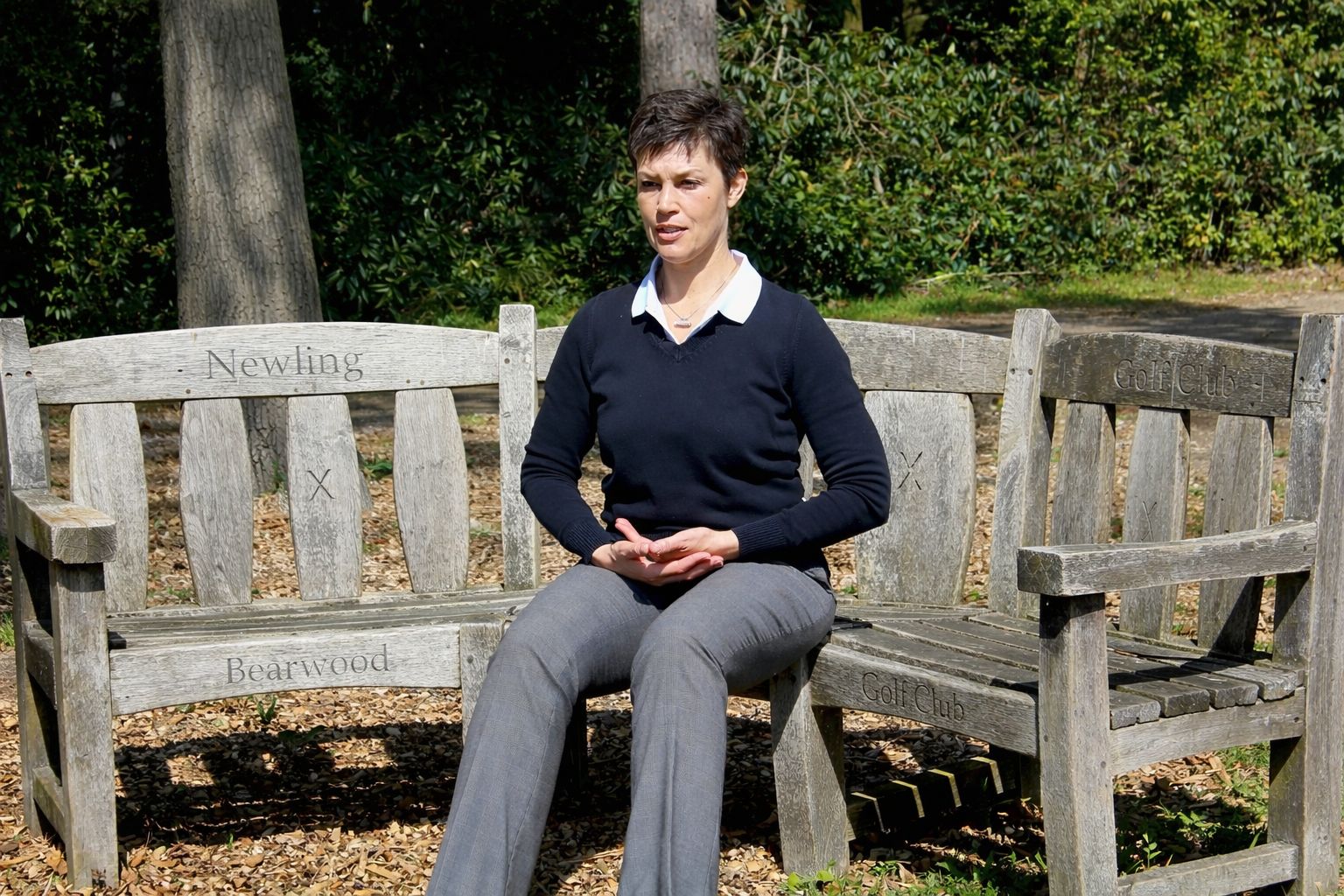
One of the things I enjoyed most about my conversation with Jayne Storey was how calmly and clearly she dismantles a belief I see all the time with speakers, often without them realising they’re even operating from it.
That belief is that if you just work harder, stay busier, say yes more often and push a bit further, you’ll eventually beat everyone else.
Jayne’s background is in elite performance. She’s worked with Olympians, footballers, racing drivers and senior business leaders who operate under constant pressure, and her perspective is refreshingly grounded.
Performance, in her world, isn’t about doing more for the sake of it. It’s about understanding what you are built for and then doubling down on that, rather than trying to compete in areas that don’t suit your strengths, temperament or energy.
In sport, nobody tells a marathon runner to bulk up like a sprinter. Yet in business, and particularly in speaking, people do this to themselves all the time.
They copy formats that look successful from the outside.
They chase topics because they feel fashionable or urgent.
They follow strategies that worked for someone else with a completely different background, personality and market.
Then they wonder why it feels exhausting and why the results never quite stack up.
Jayne’s point was simple, and quietly powerful. You don’t win by playing someone else’s game. You win by understanding your own operating system and building around that.
Pressure doesn’t create problems, it reveals them
Another idea from our conversation that really stayed with me was how Jayne talks about pressure.
Most people assume pressure is the problem. She sees it differently.
Pressure doesn’t create weaknesses, it exposes them. Gaps in preparation, gaps in clarity, gaps in decision-making all show up when things get tight.
That applies directly to speaking businesses.
When the diary is full, many speakers stop prospecting and assume momentum will take care of itself. When the diary empties, panic creeps in, decisions become reactive, and suddenly every opportunity feels urgent, even when it’s clearly not right.
That’s not a confidence issue and it’s rarely a talent issue either. It’s a system issue.
High performers don’t rely on motivation, mood or last-minute effort. They rely on structure. When pressure hits, they already know what to do next because the thinking has been done in advance.
For speakers, that usually means having real clarity around who actually books you, what problem you solve, how you stay visible in a way that suits you, and how you keep a pipeline warm rather than lurching between feast and famine.
Pressure is part of the game. The question is whether your business is designed to handle it, or whether it only works when everything is going your way.
Clarity beats intensity every time
One of the traps Jayne described is mistaking intensity for effectiveness, something I see constantly in this industry.
Working longer hours.
Saying yes to more things.
Trying to be everywhere at once.
It looks impressive from the outside, but on the inside it usually feels scattered and hard to sustain.
The best performers Jayne works with are selective. They understand exactly where they add value and where they don’t, and they’re comfortable saying no to the wrong races so they can win the right ones properly.
For speakers, this often shows up as too many topics, too many audiences, and too many half-finished ideas that never quite gain traction.
Clarity can feel boring to people who confuse movement with progress, but clarity is what creates momentum you can actually build on.
You don’t need to be tougher, you need to be more aligned
A final point that really matters for speakers.
When things aren’t working, the instinct is often to push through, be tougher, develop thicker skin and simply try harder.
Jayne would say that’s often the wrong response.
If something consistently drains you, frustrates you or leaves you second-guessing yourself, it’s usually misaligned. The wrong audience. The wrong message. The wrong environment.
That doesn’t mean giving up or lowering standards. It means recalibrating.
In sport, you change tactics rather than blaming the athlete. In speaking, the same principle applies.
The speakers who build long, profitable, sustainable careers aren’t the ones grinding endlessly. They’re the ones who understand where they perform best and design their business around that reality.
A question worth sitting with
If you strip away the noise, the tactics and the comparison, one question remains.
Are you building a speaking business that suits how you perform at your best, or are you forcing yourself into a model that looks successful from the outside but costs too much on the inside?
If this conversation struck a chord, it’s well worth listening to the full episode. https://speakingbusiness.libsyn.com/the-practice-most-speakers-are-missing-with-jayne-storey
Jayne brings a level of calm, experience and perspective that’s rare, and very needed in a noisy industry.
Warm regards,
Maria
View Previous Newsletters
